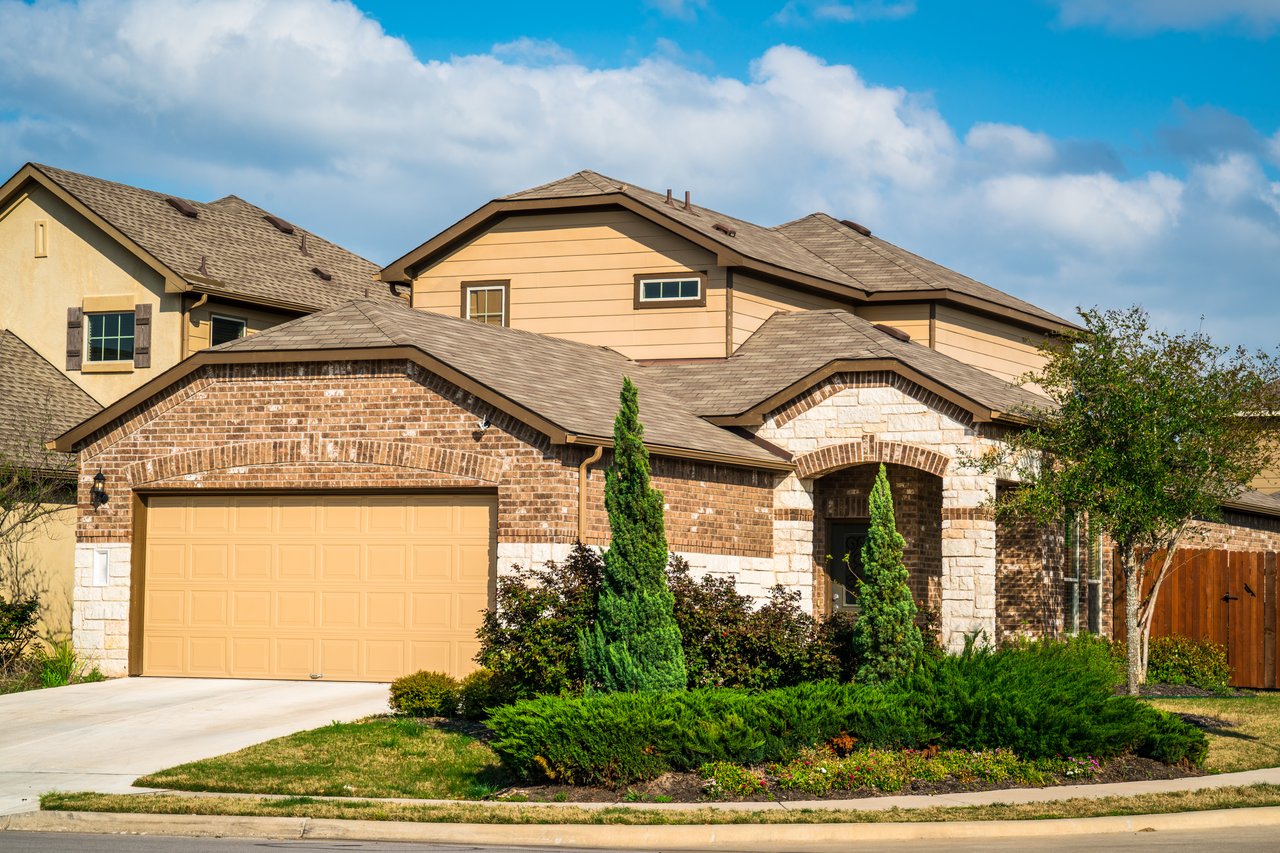
Overview: The East End Historic District is a nationally recognized neighborhood with Victorian and Greek Revival homes dating back to the late 1800s. It offers rich history, cultural prestige, and walkability near downtown Galveston.
Location & Access: Located just east of the Strand, within walking distance to restaurants, shops, and the cruise terminal.
Schools & Services: Zoned to Galveston ISD; close to UTMB and Galveston College.
Housing Types & Vibe: Grand historic mansions, restored cottages, and townhomes. The vibe is architectural, cultured, and urban-residential.
History & Origins: Formally established in 1971 as a historic district, preserving 19th-century homes that survived the 1900 Storm.
Amenities & Outdoors: Close to downtown arts, dining, and entertainment. Tree-lined streets add shade and character.
STR Snapshot: Short-term rentals are present but limited; buyers should confirm City rules and preservation guidelines.
Flood & Insurance Notes: Many homes are elevated; historic preservation requires careful insurance planning.
What sets this community apart:
NOT a mandatory-dues HOA. Governed by the East End Historical District Association (EEHDA), a voluntary civic/preservation group, formed 1974-75. Actual land-use control comes from the City of Galveston's local historic-district designation (1971) and National Historic Landmark status (1976) — not private covenants.
Victorian & Greek Revival homes surviving the 1900 Storm; walkable to the Strand; exterior changes reviewed by City Landmark Commission.
23,542 people live in East End Historical District, where the median age is 39.1 and the average individual income is $35,160. Data provided by the U.S. Census Bureau.
Total Population
Median Age
Population Density Population Density This is the number of people per square mile in a neighborhood.
Average individual Income
East End Historical District has 11,604 households, with an average household size of 1.96. Data provided by the U.S. Census Bureau. Here’s what the people living in East End Historical District do for work — and how long it takes them to get there. Data provided by the U.S. Census Bureau. 23,542 people call East End Historical District home. The population density is 3,113.66 and the largest age group is Data provided by the U.S. Census Bureau.
Total Population
Population Density Population Density This is the number of people per square mile in a neighborhood.
Median Age
Men vs Women
Population by Age Group
0-9 Years
10-17 Years
18-24 Years
25-64 Years
65-74 Years
75+ Years
Education Level
Total Households
Average Household Size
Average individual Income
Households with Children
With Children:
Without Children:
Marital Status
Blue vs White Collar Workers
Blue Collar:
White Collar:


